
"coffee processing traceability"
500 article(s) found

Certificate of boutique coffee 4C coffee certification
C certification is a widely accepted management rule in the world, which involves the sustainable development of coffee cultivation, production, processing and other aspects of the supply chain, including social, environmental and economic principles. Coffee practitioners are required to protect biodiversity, protect all kinds of national endangered animals and plants, correctly use and handle pesticides and other chemicals, and protect the natural environment and people.
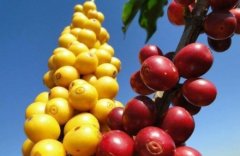
Boutique coffee bean knowledge 4C coffee certification
4C certification is a widely accepted management rule in the world, which involves the sustainable development of coffee cultivation, production, processing and other aspects of the supply chain, including social, environmental and economic principles. Coffee practitioners are required to protect biodiversity, protect all kinds of national endangered animals and plants, correctly use and handle pesticides and other chemicals, protect the natural environment and
Basic knowledge of boutique coffee 4C Coffee Certification
4C certification is a widely accepted management rule in the world, which involves the sustainable development of coffee cultivation, production, processing and other aspects of the supply chain, including social, environmental and economic principles. Coffee practitioners are required to protect biodiversity, protect all kinds of national endangered animals and plants, correctly use and handle pesticides and other chemicals, protect the natural environment and

Boutique coffee bean certification body 4C Association coffee certification
4C certification is a widely accepted management rule in the world, which involves the sustainable development of coffee cultivation, production, processing and other aspects of the supply chain, including social, environmental and economic principles. Coffee practitioners are required to protect biodiversity, protect all kinds of national endangered animals and plants, correctly use and handle pesticides and other chemicals, protect the natural environment and
4C Coffee Certification, the certification body of boutique coffee beans
4C certification is a widely accepted management rule in the world, which involves the sustainable development of coffee cultivation, production, processing and other aspects of the supply chain, including social, environmental and economic principles. Coffee practitioners are required to protect biodiversity, protect all kinds of national endangered animals and plants, correctly use and handle pesticides and other chemicals, protect the natural environment and
Introduction to the certification body of fine coffee beans 4C coffee certification
4C certification is currently widely accepted in the world, involving coffee cultivation, production, processing and other aspects of the supply chain sustainable development management rules, including social, environmental and economic principles. Coffee growers are required to protect biodiversity, protect various nationally endangered plants and animals, properly use and handle pesticides and other chemicals, protect the natural environment and

Coffee Trading system in Ethiopia | ECX Trading system
Professional barista exchanges please pay attention to the coffee workshop (Wechat official account cafe_style) Ethiopia ECX trading system is the savior of Ethiopian commercial bean farmers, but for the third wave of boutique coffee, traceability is a headache. Let's get to know the ecx trading system that is very important to Ethiopia's producing areas. Ethiopia's infrastructure is underdeveloped.

How is Ethiopian coffee traded? introduction to the price of Ethiopian coffee beans.
For more information on coffee beans, please follow coffee workshops (Wechat official account cafe_style) according to the Ethiopian decree, there are three coffee export systems, (1) the largest privately owned processing plant system for export through competitive ECX, (2) the cooperative system, and (3) the single farm system. In these three systems, cooperatives and single manors are not thorough.

Jasmine-flavored Ethiopian Guji Coffee beans-cultivation of washed beans on a single Farm in Kayong Mountain
Professional coffee knowledge exchange more coffee bean information please follow the coffee workshop (Wechat official account cafe_style) jasmine flavor of Essex Yaguji coffee beans-Cayong Mountain single farm washed beans planting story? How to cook it by hand? Kayong Mountain Farm (Kayon Mountain Farm) was founded in 2012 and is located in Oromia State (Oromia) in southern Ethiopia.
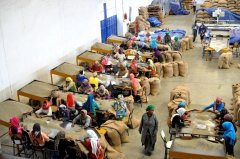
Sidamo, Ethiopia Sunshine [Sakui] Micro-production area Hambella Humbela Manor Shengshi Village
For more information on coffee beans, please follow coffee workshops (Wechat official account cafe_style) according to the Ethiopian decree, there are three coffee export systems, (1) the largest privately owned processing plant system for export through competitive ECX, (2) the cooperative system, and (3) the single farm system. In these three systems, cooperatives and single estates do not need to pass through ECX
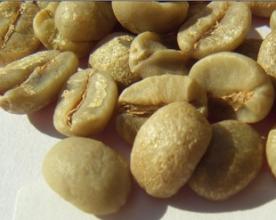
World boutique coffee beans: Brazilian cerrade Syrador Serrado coffee beans
The birth of Brazilian Syracuse Serrado Coffee the birth of Syracuse (Syrador, Serrado) Coffee was born as early as 30 years ago now, unknown name, as a desolate mountain, Brazil quietly Serrado. In Portugal it means savagely. Serrado is now a famous coffee producer. Serrado is born with the characteristics of soil and climate.

A brief introduction to the characteristics of the flavor and taste area of Panamanian Coffee Ireta Manor
This estate has led to the growth of Geisha in many coffee plantations not only in Panama but also throughout Central America. For many coffee farmers, this variety means a high price, and to a large extent, this perception is correct. Because as a manor growing Geisha, the price of its coffee is always higher than that of other estates. Traceable origin Panamanian coffee set

Introduction to the Gedeo producing area of Yega, Ethiopia. How about the flavor of dried fruit coffee beans on the Yega Xuefei tree
Professional coffee knowledge exchange more coffee bean information please follow the coffee workshop (Wechat official account cafe_style) this is not just the introduction of a new product, with the debut of this coffee, we will officially explore the next generation of Ethiopian coffee with you. Among several trends in the development of Ethiopian boutique coffee, we had a relationship with large coffee in the cup test the year before last.

Ethiopian Coffee Trading system explains in detail the relationship between price and quality of Ethiopian coffee beans
For more information on coffee beans, please follow coffee workshops (Wechat official account cafe_style) according to the Ethiopian decree, there are three coffee export systems, (1) the largest privately owned processing plant system for export through competitive ECX, (2) the cooperative system, and (3) the single farm system. In these three systems, cooperatives and single manors are not thorough.

Introduction of Burundian Coffee Bean Flavor description method Grinding scale Variety producing area Manor
Burundian coffee flavor description introduces traceability is a common problem faced by coffee growers, raw bean buyers and coffee roasters. There are currently about 3500 families working for LMCP. Production harvesting areas are distributed on eight different hilltops and two processing plants Bukeye (operational in 2013) and Heza (operational in 2014). A lot of variables will.

Ethiopia Humbela Akabi Farm Coffee good introduction to Humbela Akabi Farm
For more information on coffee beans, please follow Coffee Workshop (Wechat official account cafe_style) Akrabi is a coffee trader in Ethiopian Ahmaric, which seems to be suitable for coffee traded through the Ethiopian Mercantile Exchange (ECX). But unlike previous ECX batches, traceability was cancelled shortly after it was obtained. these batches have a historical record.

Introduction to the flavor and taste of Sumatra WAHANA-Rasuna coffee
In 2005, Opal Coffee founded Wahana Manor in the village of Lae Mungkur, about 1300 to 1500 meters above sea level in Sidikalang, Dairi province, North Sumatra, Indonesia. The advantage of its own manor is that it can establish a clearly traceable coffee supply chain, produce fine coffee with different styles and zero defects through different processing methods or varieties, and practice in the manor.

What's the difference between large batches, micro batches and nano batches? the smaller the batch, the better the quality?
Quality, traceability, direct trade, reasonable price, unique flavor and good handling are the excellent properties of single coffee and micro-batch coffee. But if you put aside these definitions, do you know what "single origin" means? What is the difference between a single manor, micro-batch or even nano-batch? And how can producers make sure that micro-batches are not mixed with other batches of coffee?

I drink a lot of coffee, but do you know both micro-batch and nano-batch coffee?
Professional coffee knowledge exchange more coffee bean information please pay attention to the coffee workshop (Wechat official account cafe_style) quality, traceability, direct trade, reasonable price, unique flavor, good handling these are the excellent properties of single coffee and micro-batch coffee. But if you put aside these definitions, do you know what "single origin" means? A commonly heard single producing area

Ethiopian Coffee washing Station recommends Gucci Coffee washing Station to introduce the flavor description of Gusai Coffee
For more information about coffee beans, please follow the Coffee Workshop (Wechat official account cafe_style) Water washing Station: Deri-Teshome-Gemechu area: Guji process: fully washed varieties: Ethiopian heirloom flavors: honey, drupes, roses Ethiopian coffee is usually purchased through the Ethiopian Coffee Exchange (ECX). In the past, ECX has been proven